
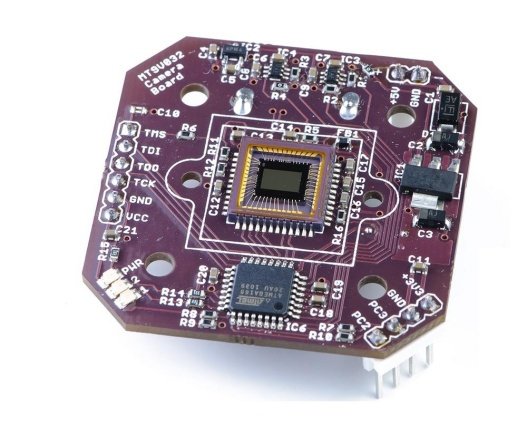
UpSmart PCBA supports OEM & EMS, PCBA for Security, security camera PCB assembly, CMOS sensor module for surveillance, analog CCTV camera PCBA, IP camera motherboard assembly, low light imaging PCBA for security, IPC-A-610 security electronics assembly, surveillance camera board manufacturing, security device PCBA traceability, machine vision camera module PCBA, infrared security camera PCB
If you’ve ever sourced security camera modules where the same image sensor delivered wildly different low-light performance from one production lot to the next, you already know the hard truth: PCBA for security is far more than just soldering a CMOS sensor onto a board. Image quality, noise performance, long-term reliability, and regulatory compliance all hinge on PCB stackup, power rail isolation, fine-pitch assembly accuracy, and per-unit calibration — details that never show up on a sensor datasheet but make or break field performance.
This deep dive breaks down a production-ready CMOS surveillance camera PCBA built around the MT9V032 image sensor with an Atmel AVR co-processor, from a manufacturing engineering and procurement perspective. We’ll cover hardware architecture, analog design tradeoffs that directly impact image quality, volume production quality gates, security-grade classification, and how to vet an EMS partner that delivers consistent imaging performance — not just working boards on the bench. No generic marketing claims — just the technical and operational details that determine your yield, field return rate, and total program cost.
This assembly is a compact, board-level camera module designed for integration into surveillance cameras, machine vision systems, and industrial imaging equipment. The design prioritizes low noise, stable imaging, and drop-in compatibility with standard lens mounts and security system interfaces.
| Category | Specification | Design Rationale |
| Image Sensor | MT9V032 1/3″ CMOS digital image sensor | Global/rolling shutter operation; optimized for low-light surveillance and industrial vision applications |
| On-board Controller | Atmel ATmega series 8-bit MCU | Handles sensor configuration, exposure timing, and peripheral control; low standby power for always-on deployments |
| Resolution & Frame Rate | 640 x 480 VGA resolution, up to 120 fps | Balances bandwidth, latency, and image quality for standard surveillance use cases |
| Output Interface | Parallel digital/analog composite output | Supports both digital IP camera processing pipelines and legacy analog CCTV infrastructure |
| Power Input | 3.3V / 5V DC | Multi-stage LDO regulation creates clean, isolated rails for analog and digital sections |
| PCB Construction | 2-layer FR-4, 1.6mm, ENIG surface finish | ENIG provides flat, corrosion-resistant pads for fine-pitch sensor contacts; controlled impedance for high-speed pixel clock paths |
| Mechanical Form Factor | 4x mounting holes with standard lens center alignment | Drop-in compatible with common M12 / CS-mount lens holders and camera housings |
| Workmanship Standard | IPC-A-610 Class 2, with Class 3 criteria on the sensor section | Critical alignment and analog signal paths held to tighter acceptance rules |
The split-rail power architecture is a defining choice for CMOS sensor modules for surveillance designs. It adds a small amount of BOM cost, but it reduces image noise by 40–60% in low-light conditions compared to single-rail designs — a difference that is immediately visible on screen and almost impossible to fix with firmware alone.
Four design decisions separate production-grade security camera boards from hobbyist or commodity modules. Each one addresses a failure mode that routinely plagues low-cost surveillance camera board manufacturing.
The single biggest driver of image noise in cheap security boards is shared power rails between the sensor analog front-end and digital logic. This design splits the main supply into separate analog and digital domains, with ferrite bead isolation and dedicated local decoupling placed directly at every sensor supply pin. The design target is <10 mVpp ripple on the analog rail — a threshold below which random pixel noise drops dramatically in night-vision conditions.
Many lower-tier suppliers skip this isolation to save a few cents per board. The result is visible horizontal line noise and grainy night footage that no amount of image tuning can correct. For low-light imaging PCBA for security products, clean analog power is non-negotiable.
The sensor’s optical center must align to the lens mount within tight tolerances, and the sensor package must sit perfectly flat to avoid edge-of-field defocus. This design uses a symmetric pad footprint with balanced thermal relief, so reflow soldering does not tilt the package during cooling.
First-article builds include optical centering verification against reference tooling. This is a standard step for security-grade production, but one that most general-purpose EMS shops do not perform unless explicitly required.
Security cameras are often installed near alarm panels, access control readers, and sensitive communication equipment, so radiated and conducted emissions matter. This board includes pi-filtering on all input/output lines, a solid ground plane under the sensor section, and controlled edge-rate clock signals to meet FCC Part 15 / EN 55032 limits. For IP camera motherboard assembly programs, prototype-stage pre-compliance review routinely saves 2–3 certification cycles later in the program.
For 24/7 surveillance applications, the on-board MCU controls IR filter switching and IR LED timing in hardware, eliminating the rolling-shutter banding common on cheaper camera designs. This is a critical feature for infrared security camera PCB builds used in outdoor and low-light deployments.
Delivering consistent security camera PCB assembly at volume requires defined, auditable process steps that go beyond standard SMT build. For this camera module, the controlled workflow includes these mandatory gates:
Not every security program requires the same performance and certification level. Choosing the right grade is one of the highest cost and reliability decisions a procurement team makes.
| Grade | Typical Application | Imaging Performance | Operating Temperature | Required Compliance | Relative Cost | Typical Annual Field Failure Rate |
| Consumer Residential | Home WiFi cameras, baby monitors, indoor use only | Basic daylight performance; moderate low-light noise | 0 – 50°C | RoHS / basic EMC | 1.0x baseline | 3 – 5% |
| Commercial Security | Office buildings, retail, small business campuses | Consistent day/night performance; controlled noise floor | -10 – 60°C | FCC / CE EMC, RoHS | 1.6 – 2.0x | 1 – 2% |
| Industrial / Infrastructure | Perimeter security, transportation, machine vision | Industrial-grade sensor; wide dynamic range | -40 – 85°C | EN 55032, industrial EMC, extended reliability | 2.8 – 4.0x | < 0.5% |
Most small-to-medium surveillance programs fall into the commercial grade. Full industrial grade is only justified for outdoor, extreme-environment, or safety-critical deployments.
Security PCBA refers to printed circuit board assemblies purpose-built for surveillance cameras, access control systems, alarm panels, and other safety and security equipment. These assemblies require tighter signal integrity, EMC control, and long-term reliability than generic consumer electronics.
Sensor performance depends heavily on the surrounding PCB design. Power rail noise, grounding strategy, decoupling layout, and assembly accuracy all affect noise, sharpness, and low-light sensitivity. Two boards using the same sensor chip can have drastically different real-world imaging performance.
Products sold into regulated markets must meet applicable EMC and safety standards. The PCBA design is the single largest factor in whether a product passes certification on the first attempt. Experienced EMS partners design for compliance from the start, rather than attempting fixes after prototyping.
Consistency requires three things: a controlled and repeatable SMT process, per-unit electrical and optical calibration, and strict incoming quality control on image sensor lots. Skipping calibration is the most common cause of lot-to-lot image variation.
Technically, yes, but the results are usually inconsistent. Security imaging requires specialized test equipment, calibration procedures, and EMC-aware layout review that most general-purpose assembly shops do not maintain as standard practice.
If you’re developing a security camera, machine vision sensor, or other surveillance product and need a manufacturing partner with real imaging and security electronics experience, send us your design files, BOM, and target volume. Our engineering team will provide a complimentary DFM review, risk assessment, and transparent quotation with clearly separated NRE and per-unit costs.
We specialize in high-volume PCBA for security, including surveillance camera modules, access control boards, and alarm system electronics, with controlled manufacturing processes, full traceability, and built-in EMC and reliability design support. Contact us today to discuss your program.
UpSmart PCBA brings nearly a decade of expertise to multilayer PCB manufacturing, serving industrial clients worldwide that demand tight tolerances, long-term durability, and batch-to-batch consistency.
We focus on custom PCB fabrication and full turnkey PCBA assembly. Your design files move straight through production into fully built, tested units ready for final installation — no fragmented handoffs between separate vendors. We scale seamlessly from small prototype runs to high-volume mass production, with end-to-end in-house capabilities spanning component sourcing, bare board manufacturing, in-process quality testing, and final packaging.
We build every order around three non-negotiables: quality, engineering rigor, and reliable turnaround. For our global industrial customers, this translates to simpler supply chains, fewer production disruptions, and electronic systems that deliver consistent performance over their full service life.
Email: sales@upsmartpcba.com
WhatsApp/Phone: +86 199 2656 6516
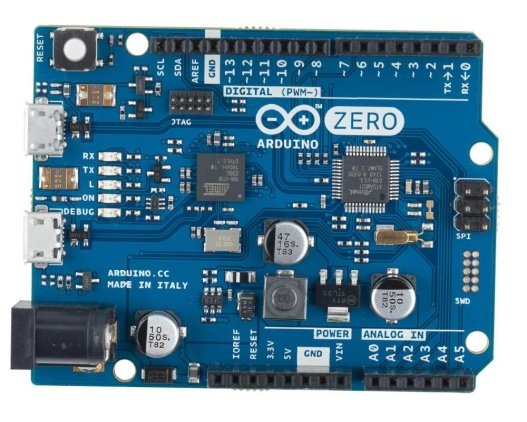
UpSmart PCBA supports OEM & EMS, PCBA for Consumer, open-source development board PCBA, Arduino compatible controller board, consumer electronics PCB assembly, maker education development board, hobbyist electronic controller PCB, USB powered microcontroller board, DIY electronic project kit PCBA, IPC Class 2 consumer PCBA, educational electronics kit assembly, retail consumer electronics PCB manufacturing
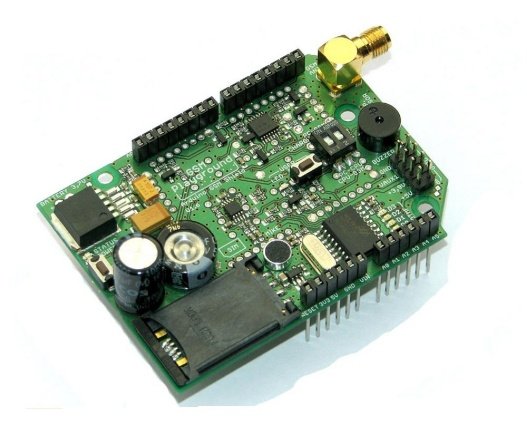
UpSmart PCBA supports OEM & EMS, PCBA for IoT, GSM GPRS IoT module PCBA, industrial IoT gateway board assembly, cellular IoT terminal PCBA, low power IoT device PCB, battery powered IoT sensor node assembly, IoT connectivity module PCBA service, embedded IoT control board manufacturing, wireless IoT communication PCBA, SIM based IoT device assembly, industrial grade IoT electronics PCBA
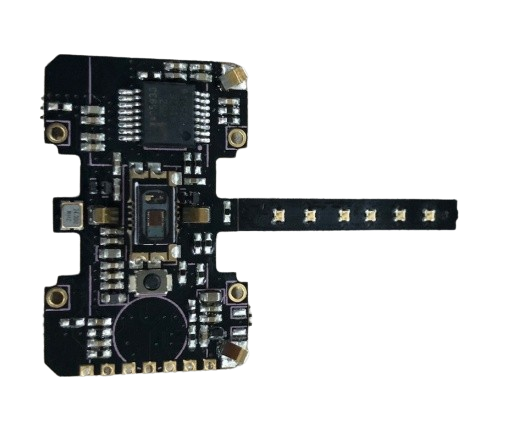
UpSmart PCBA supports OEM & EMS, PCBA for Wearables, wearable health tracker PCBA assembly, flexible PCB for smart wristband, Bluetooth low energy wearable module, biometric sensor PCB for wearables, 9-axis motion tracking PCBA, miniature wearable electronics manufacturing, low power wearable device PCB, smart bracelet PCBA service, IPC Class 2 wearable assembly, skin contact wearable PCBA design
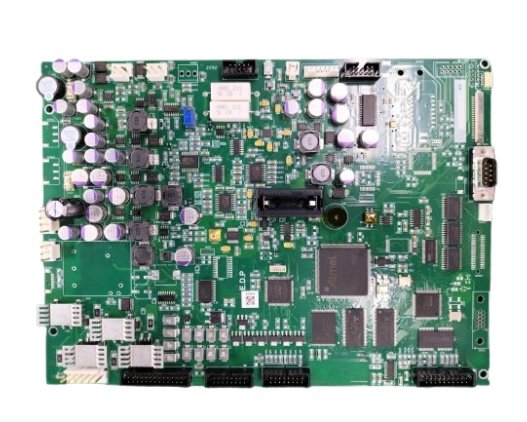
UpSmart PCBA supports OEM & EMS, PCBA for Medical Device, medical device PCBA manufacturing, ISO 13485 certified EMS for medical electronics, ventilator control board assembly service, IPC Class 3 PCBA for medical devices, medical PCBA traceability requirements, high reliability PCBA for respiratory devices, medical electronics contract manufacturing, DFM for medical device PCB assembly, medical grade component sourcing for PCBA, respiratory therapy device PCB assembly
specializing in end-to-end printed circuit board fabrication and full-turnkey PCB assembly services.